
BL-Viz4D: A Digital Twin viewer for Maintenance
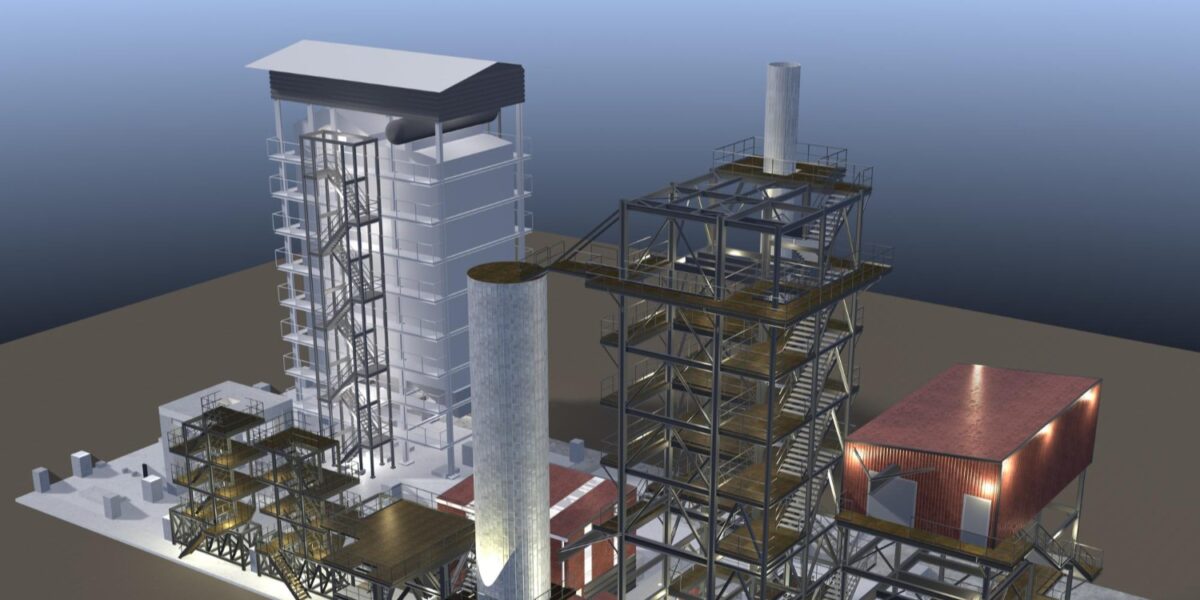
BL-VIZ4D is a research project led by Berger-Levrault, dedicated to the visualization, synchronization, and interaction with digital twins applied to maintenance. Stemming from thesis work conducted in partnership with the LIRIS laboratory (Laboratory of Image Informatics and Information Systems), BL-VIZ4D explores the scientific and technological foundations of a multi-scale 3D viewer capable of aggregating heterogeneous geospatial data—attribute, 2D, and 3D—and linking it to CMMS business processes. The viewer allows for
A Federated Learning Framework for IoT
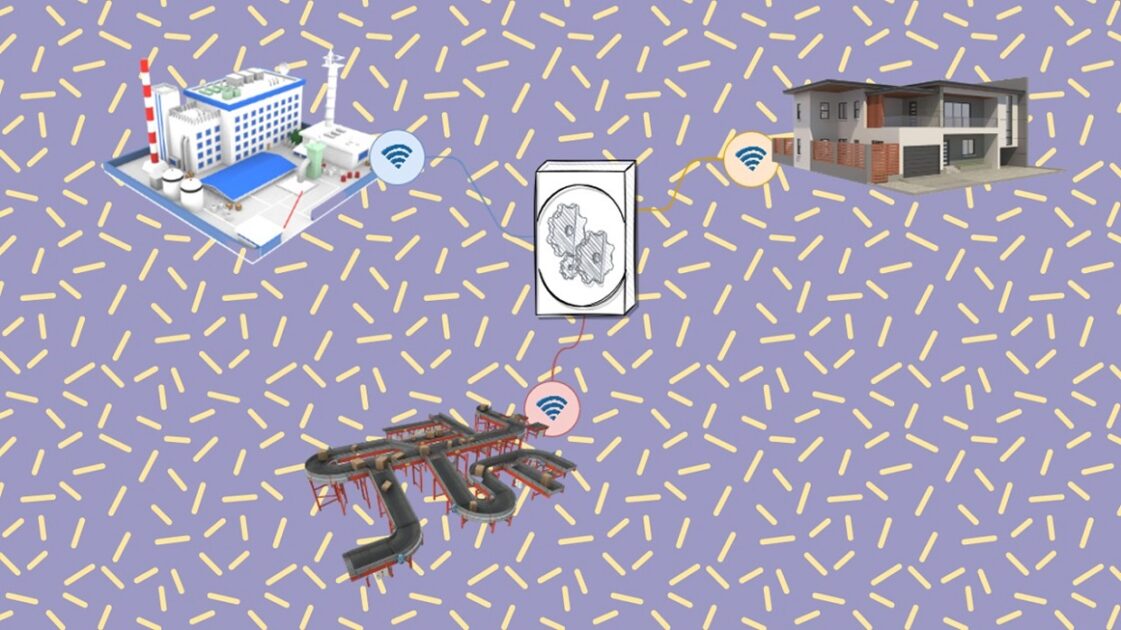
There are thousands of institutions like hospitals collecting private and sensitive data, which mean they can not be transferred to be used. Though federated learning needs data to be trained. As we can not send them to a database like this (unprotected, non-confidential), a solution has been thought: each institution will locally train a model
BL.Predict, the clairvoyant of maintenance for Le Havre city
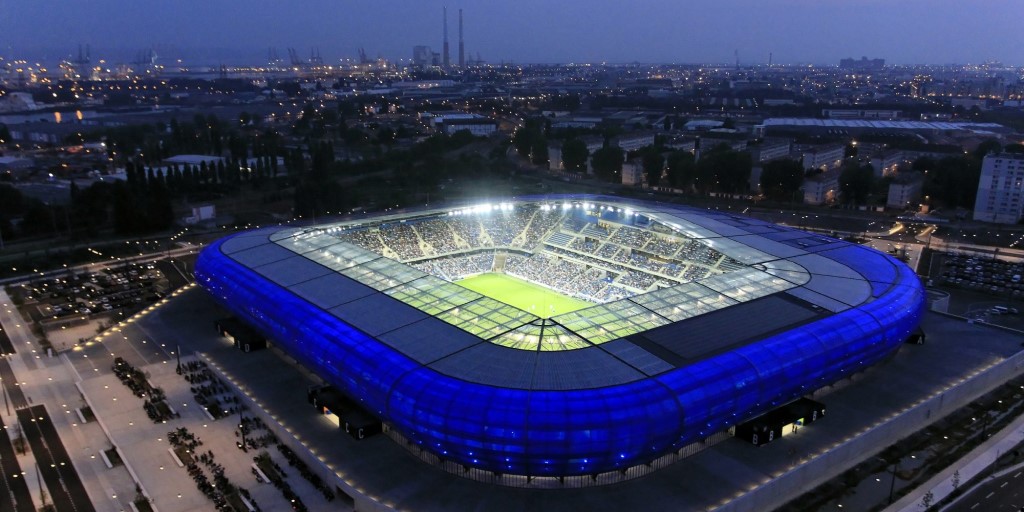
Imagine you won the lottery (yes, we all dream about it) and bought Versailles castle. You can not remember if you closed the bathroom tap on the other wing of the castle. Do not worry, you do not have to walk ten minutes long, you just have to check your phone app which will let
BL.Exchange, a solution to make softwares relationship friendly
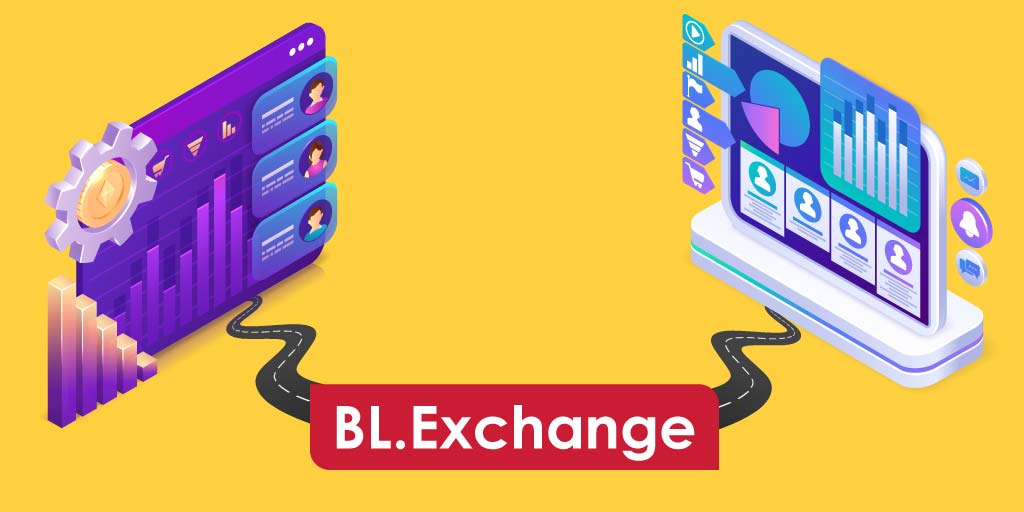
Nowadays, the IT market is made of thousands apps with even more software options. Organizations are using different kind of apps with distinct sets up which evolves really fast for different purposes. In addition, the apps are developed according to technical standards that are constantly evolving. This context makes the communication between apps difficult. Though,
BL.SenseLife MVP
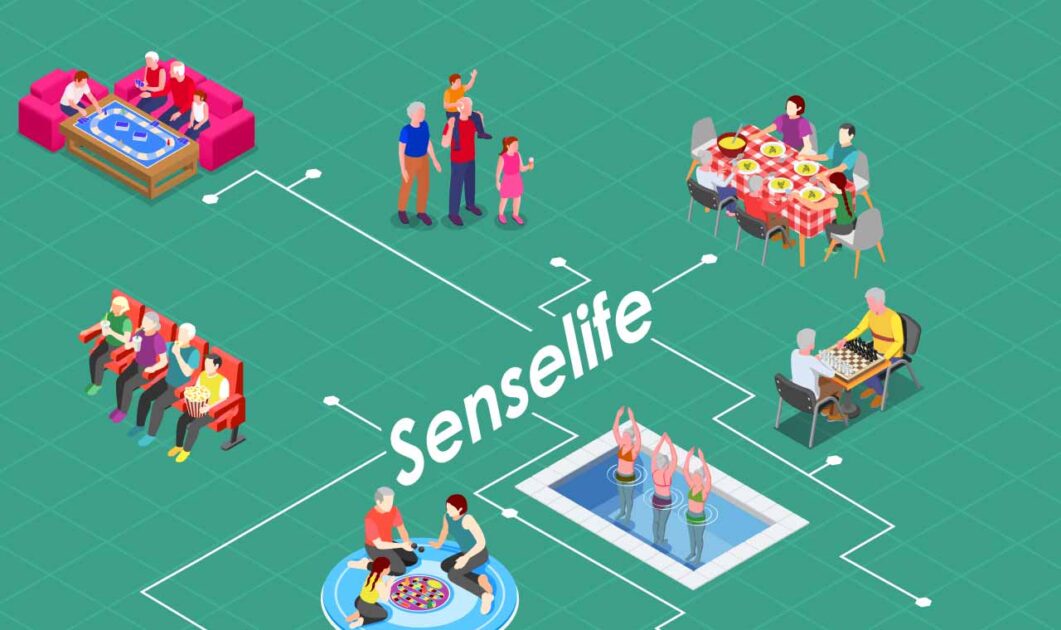
A Minimum Viable Product (MVP) is a first version of a new product with enough features to address the most important needs of users and customers, who can next provide feedback for future evolutions. It is basically the first implementation of an idea into a deployable and marketable solution with its mains functionalities. We have
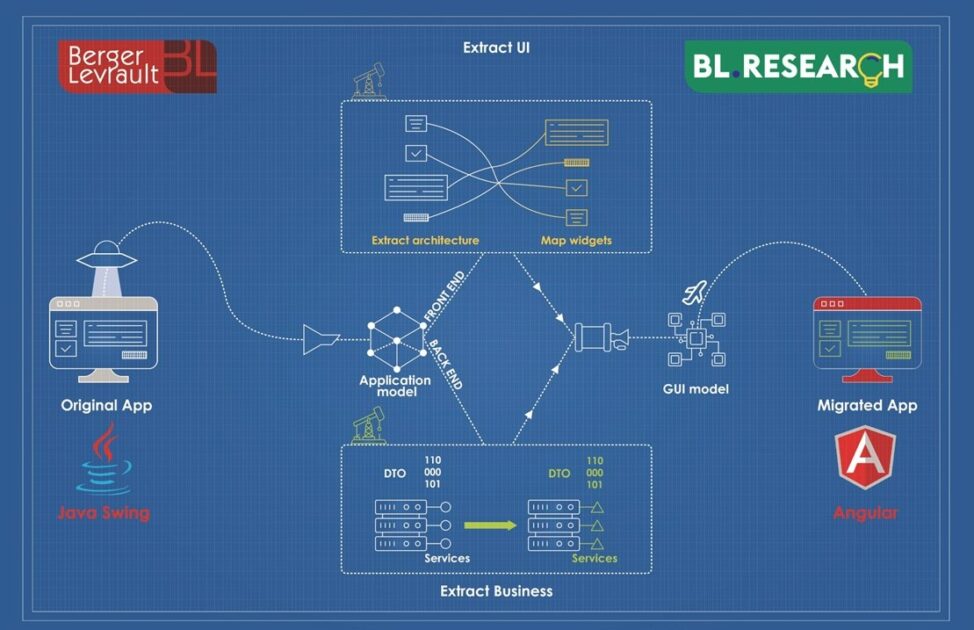
Casino, a tool to migrate applications
For five years now, our team is working on the preparation to migrate Berger-Levrault’s apps. To ease framework’s transition to new standards, we created Casino. A homemade tool to assist in future migrations. Casino, what’s that? It’s an innovative tool to simplify the migration process by automatically transforming apps code. We explain below the four
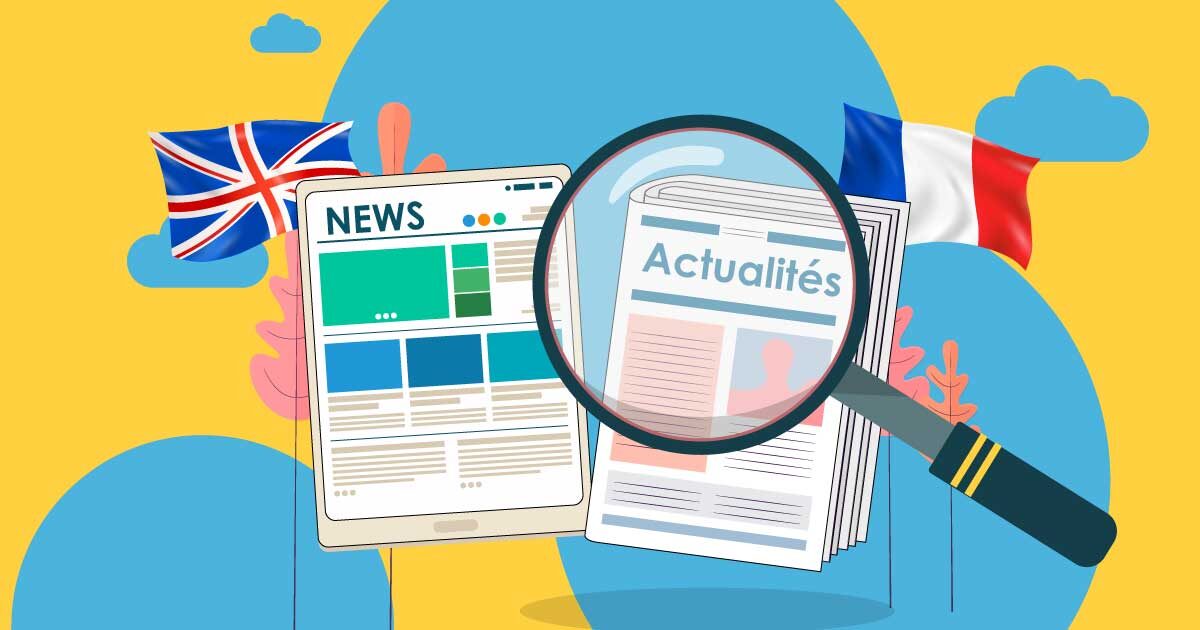
Back on SemEval 16th edition task n°8
Find about our work on SemEval task n°1: reverse dictionary SemEval is a series of international Natural Language Processing (NLP) research workshops whose mission is to advance the current state of the art in semantic analysis and to help create high-quality annotated datasets in a range of increasingly challenging problems in natural language semantics. Each
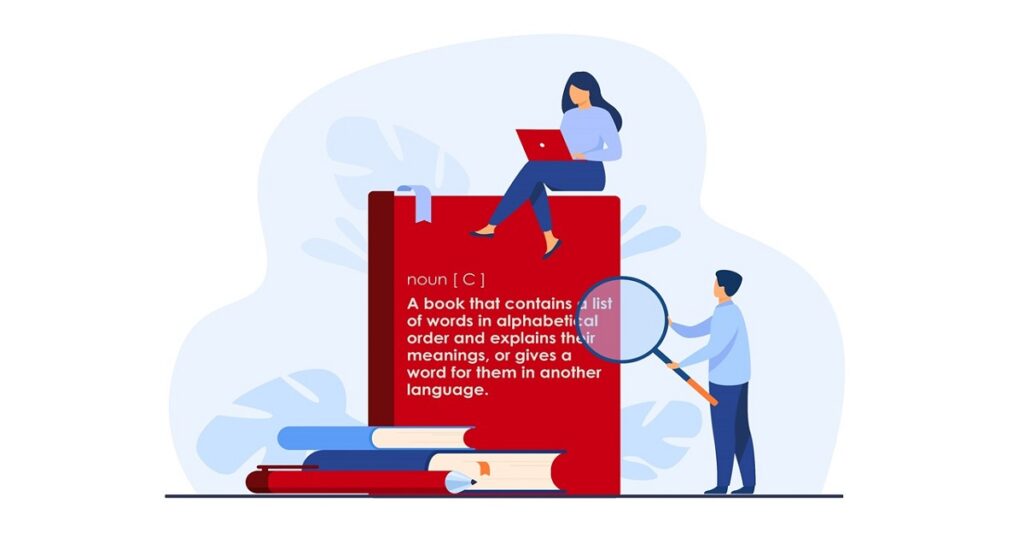
Back on SemEval 16th edition task n°1
SemEval is a series of international Natural Language Processing (NLP) research workshops whose mission is to advance the current state of the art in semantic analysis and to help create high-quality annotated datasets in a range of increasingly challenging problems in natural language semantics. Each year’s workshop features a collection of shared tasks in which
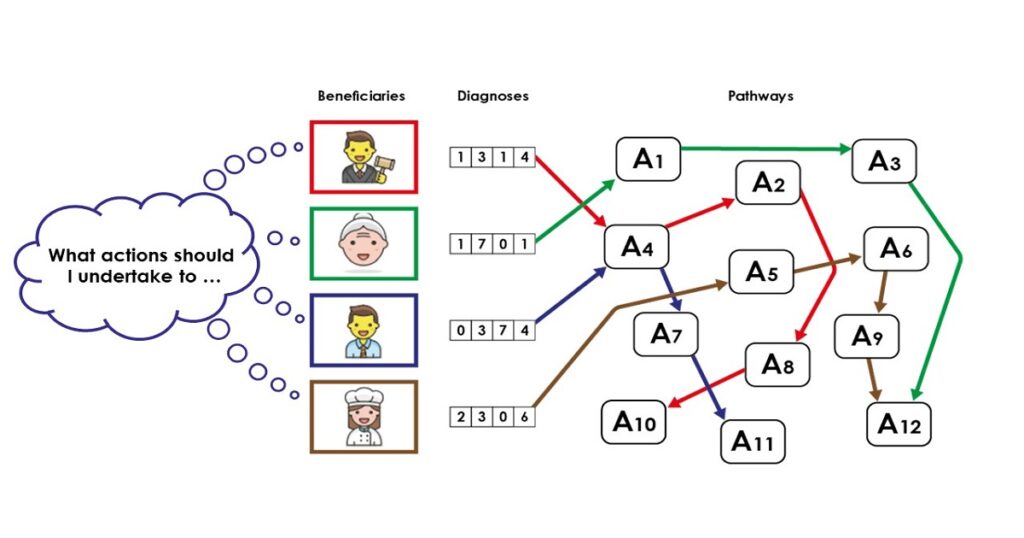
Neolink: Lifelong pathway recommendation model
Find information about the project’s challenges by following this link. Neolink is a company created in 2012 which developed solution to encourage the internet that brings together. Its main objective is to unify economic activity and social utility in its solutions. The company has been bought by Berger-Levrault in 2019. Social services are notoriously complex
Wi-Filles Project
Wi-filles is an induction programme to promote digital occupations to teenager girls. If we look at figures, there are only 21,5% of women workers in this area and only 20% in digital studies field. That’s why, the FACE foundation started the Wi-Filles project in 2014. The goal of the project is to encourage young girls
Neolink: Lifelong pathway recommendation challenges
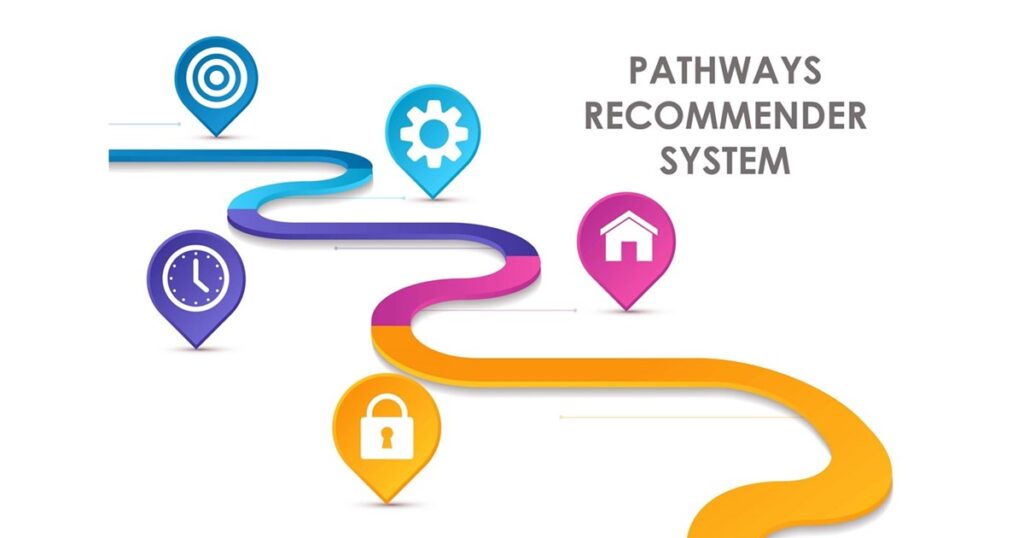
Neolink is a company created in 2012 which developed solution to encourage the internet that brings together. Its main objective is to unify economic activity and social utility in its solutions. The company has been bought by Berger-Levrault in 2019. Social services are notoriously complex to model and manage. It is essential to turn to