
BL-Viz4D: A Digital Twin viewer for Maintenance
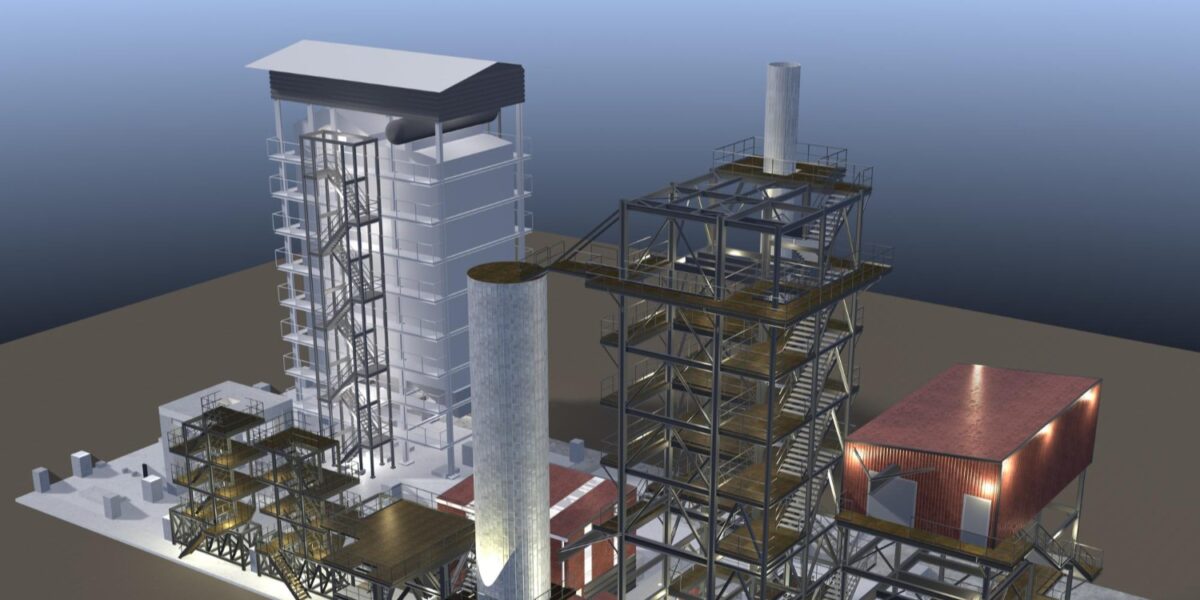
BL-VIZ4D is a research project led by Berger-Levrault, dedicated to the visualization, synchronization, and interaction with digital twins applied to maintenance. Stemming from thesis work conducted in partnership with the LIRIS laboratory (Laboratory of Image Informatics and Information Systems), BL-VIZ4D explores the scientific and technological foundations of a multi-scale 3D viewer capable of aggregating heterogeneous geospatial data—attribute, 2D, and 3D—and linking it to CMMS business processes. The viewer allows for
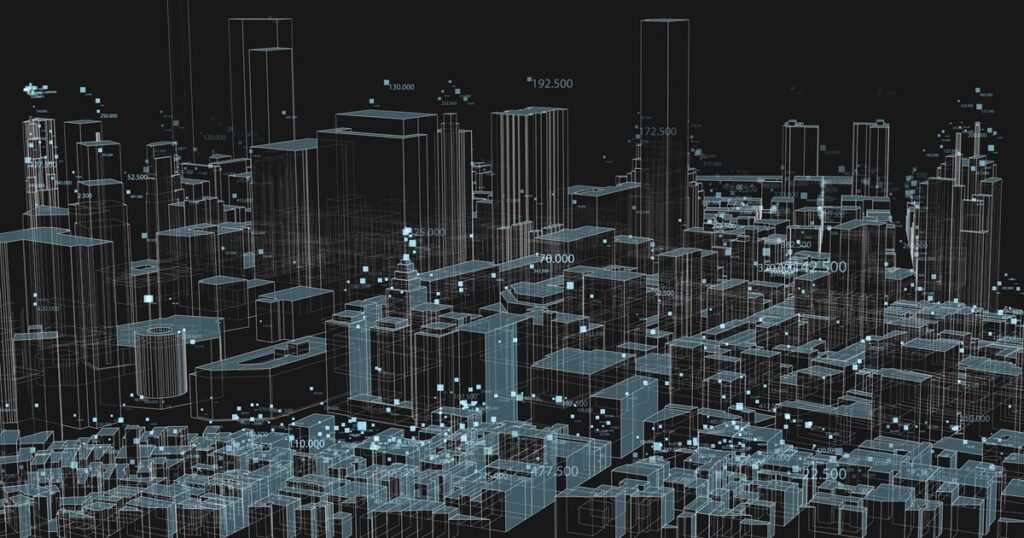
Equipment 3D visualization in a CMMS application-1st part
Computer-aided maintenance systems aim at assisting administration and maintenance agents in their missions of assets maintenance (building, network, air conditioning, faucets, etc). Assets may have different representations in different geospatial data sources (2D or 3D) that can help to have a better understanding of them by providing new information. Though, using those data often leads

Mono2Micro-MDE : An end-to-end approach towards migrating a monolithic application towards a microservice-oriented architecture
Find the first migration approach in these articles: article 1 & article 2 In this section, we introduce a broad overview of the different phases which constitute our global MDE-based migration workflow. In short, our workflow (see Figure 1) encompasses 4 important steps : Extracting a model from the source application. Identifying the application’s candidate

Image analysis for Maintenance intervention request classification
Technologies and systems for automation of maintenance tasks and equipment management are used in several cases of different business fields like security or food-processing industry for instance. The technologies used have reached a maturation stage allowing their use in real case, according to practical application specificity. However, it remains uncertainties about developing an approach allowing

Backend monolithic app to microservices architecture migration – 2nd part
Find the first part of the article by following this link In the first part article, we’ve explained how to identify microservices candidates by extracting the layered architecture artifacts from the existing code of a monolithic application. Several approaches address this first step, though they either do not address the materialization step or complete this
BL.Conecta, the future kernel of city’s intermediation platforms?
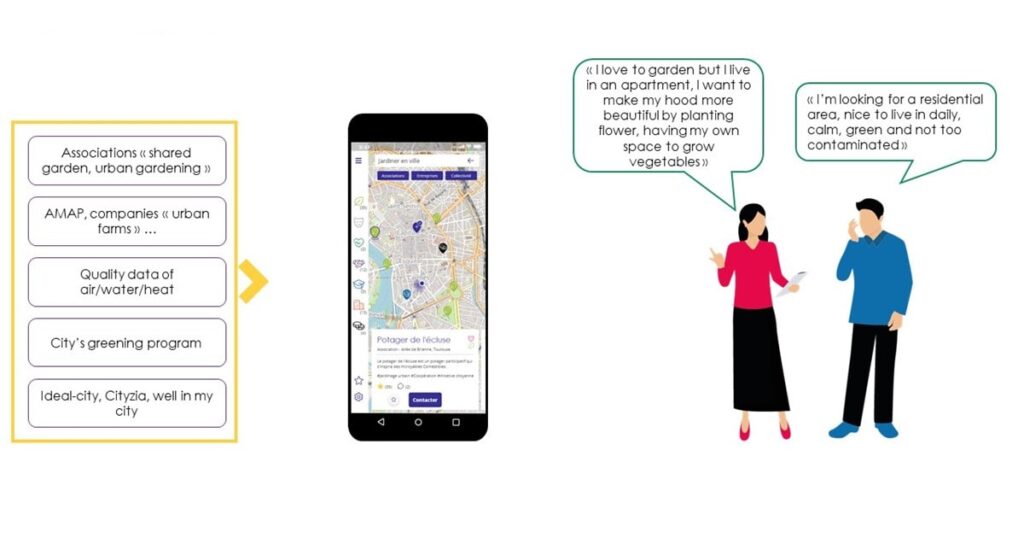
Context Since few years, we observe the rise of intermediation platforms and web services consumption used through these multitude of platforms. The fact is that intermediation environments put in relation a producer/seller with a web user/consumer to enable a transaction (sales, exchange, share of products or services) that create value. Intermediation platforms are used as


Backend monolithic app to microservices architecture migration – 1st part
Generally, companies software are built in a three part system: a client side/user interface, a database, and a side-server application called a monolith. Monoliths are often built as a single logical executable, in a single-tiered with multiple layers: presentation, business logic, and data-access. These apps are easy to design and develop, though they are difficult
Maintenance queries classification with NLP
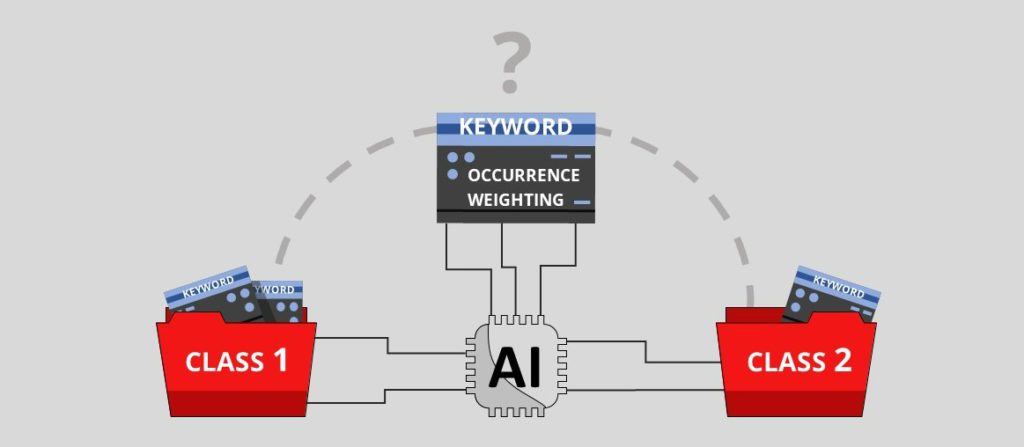
When our client equipment needs maintenance intervention for any reason, they can request it through Carl Source, our CMMS software. Those intervention queries will be received by the technical service which will analyze it, pre-qualify it and associate it to an intervention type before scheduling it. Some interventions are more urgent to other and some

Proof of concept : Interoperability Java – MS Access by Benoît Verhaeghe and Julien Morgan de Rivery
We led this project to determine the possibility to control a Microsoft Access 2013 application (or more recent versions) from a Java program to enable its migration.We’ve set up a two-steps approach: A first step to allow the utilization of Access software Application Programming Interface (API). Then, we studied the API to let us manipulate
Semantic relationship generating
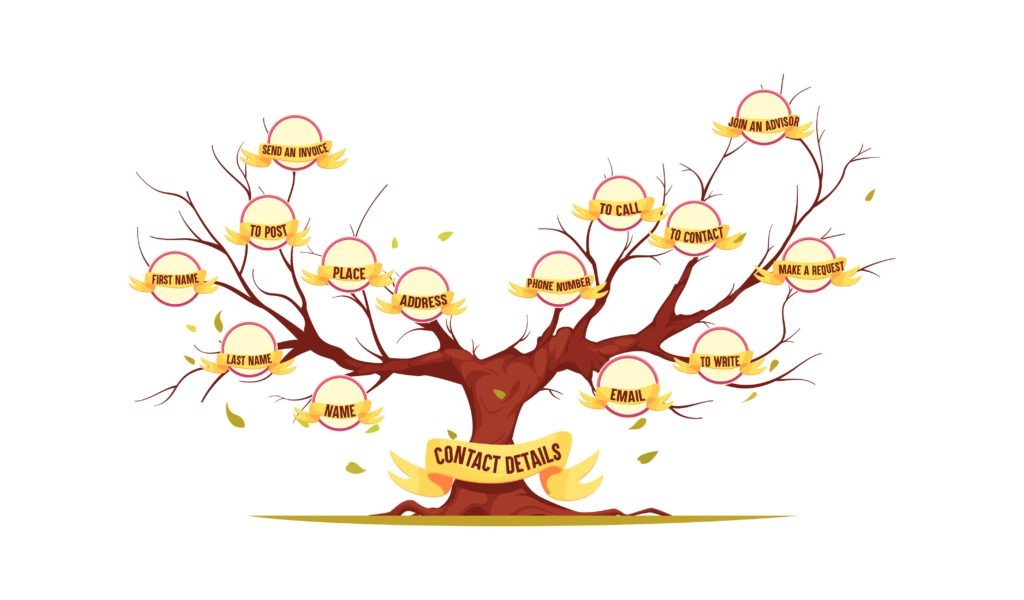
Relationship identification in documents is part of a project about knowledge graph.A knowledge graph is a way to graphically present semantic relationship between subjects like peoples, places, organizations etc. which makes possible to synthetically show a body of knowledge. For instance, figure 1 present a social media knowledge graph, we can find some information about