

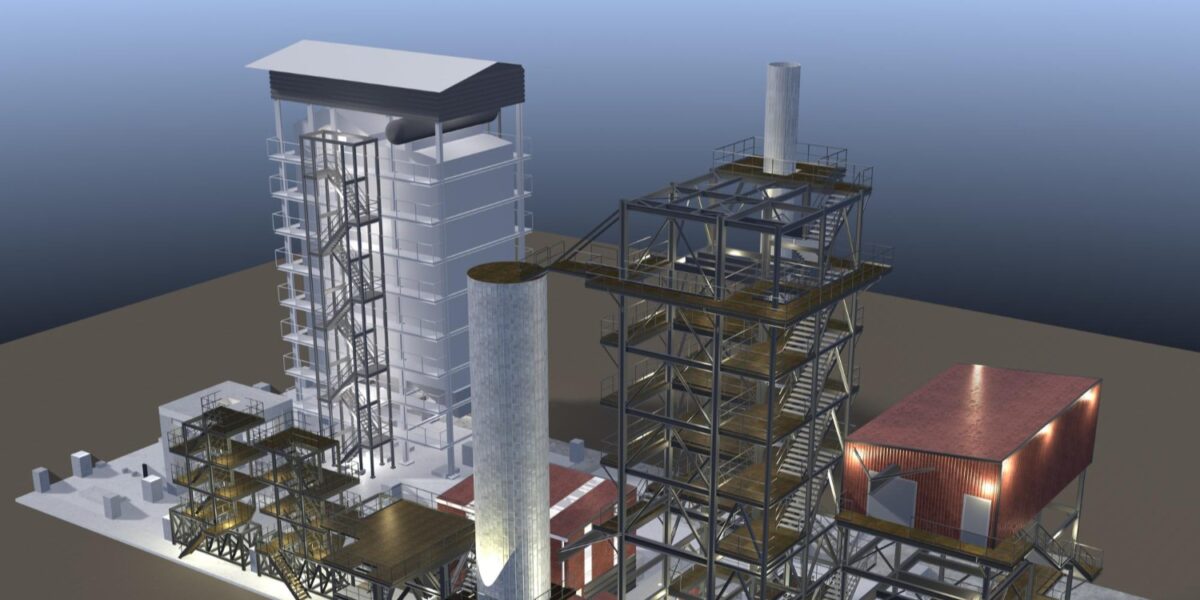
BL-Viz4D: A Digital Twin viewer for Maintenance
BL-VIZ4D is a research project led by Berger-Levrault, dedicated to the visualization, synchronization, and interaction with digital twins applied to maintenance. Stemming from thesis work conducted in partnership with the LIRIS laboratory (Laboratory of Image Informatics and Information Systems), BL-VIZ4D explores the scientific and technological foundations of a multi-scale 3D viewer capable of aggregating heterogeneous geospatial data—attribute, 2D, and 3D—and linking it to CMMS business processes. The viewer allows for

🇫🇷 EcoConception numérique: Fiches pratiques pour les Product Owners, les développeurs, les DevOps
L’actualité nous le répète sans cesse mais le numérique dans son ensemble est un des secteurs d’activité les plus polluants dans le monde. 4% des émissions de GES mondiales sont dues au numérique soit plus que l’aviation civile mondiale ! Il est donc fondamental de modifier nos habitudes de consommation et de production pour limiter
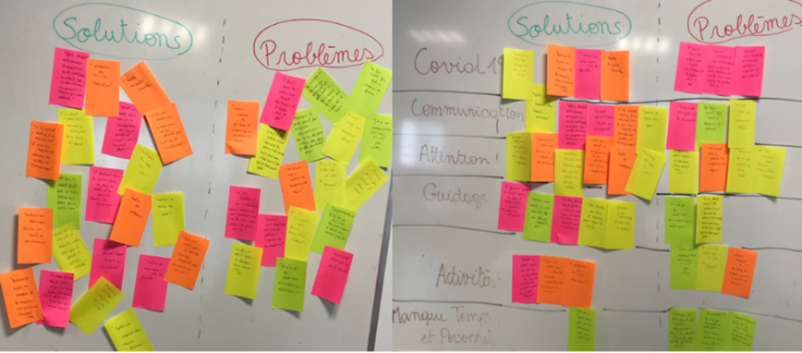
Combining cultural probes and interviews with caregivers to co-design a social mobile robotic solution
Demographic changes go together with an increase in the number of older adults whose life expectancy is higher than in previous years. An increase in age is often correlated with the presence of chronic diseases or polypathologies affecting autonomy. When the autonomy of the elderly person deteriorates, medical prescription allows access to health services and

Representing front-end of Applications in a nutshell
For the last 4 years, I worked with the migration team of the DRIT on the Graphical User Interface (GUI) migration problem. We published several papers and successfully migrated applications based on different GUI frameworks. Today, we’ll see together how we perform such a great project. In short, I’ll present you the Model-Driven Engineering and
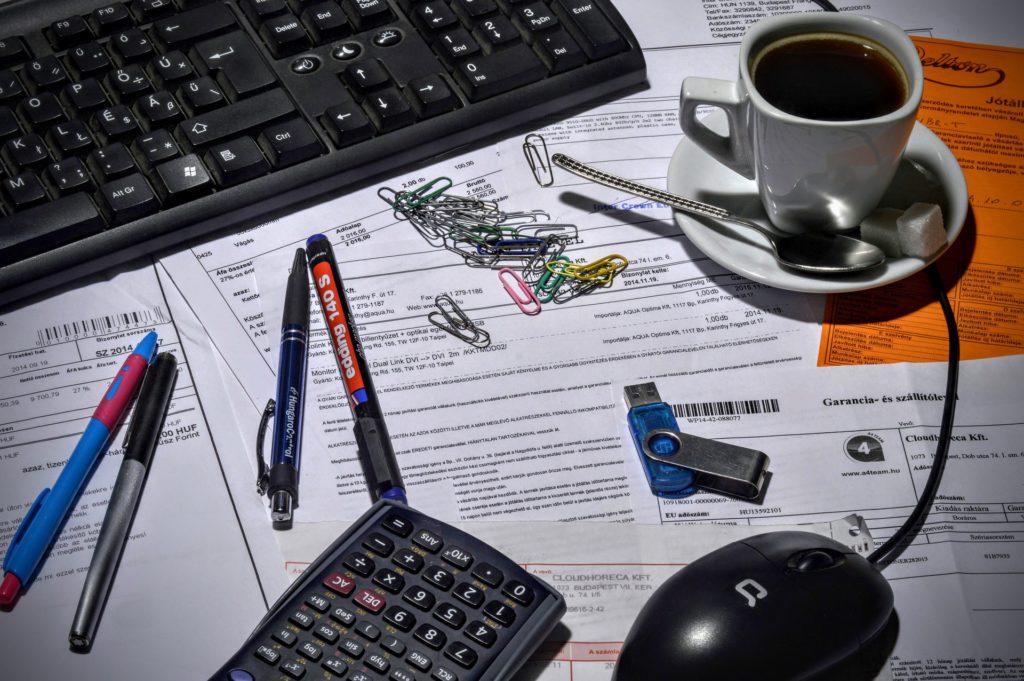
Intelligent Document Processing (IDP) a key component to the end-to-end automation of business processes
Company data is a key part of decision making, but unfortunately, much of this data is in an unstructured format: PDF documents, JPG scans, emails, etc. This unstructured representation is difficult to exploit by the machine, which complicates the automation of business processes. Intelligent Document Processing (IDP) captures, extracts, and processes data from a variety
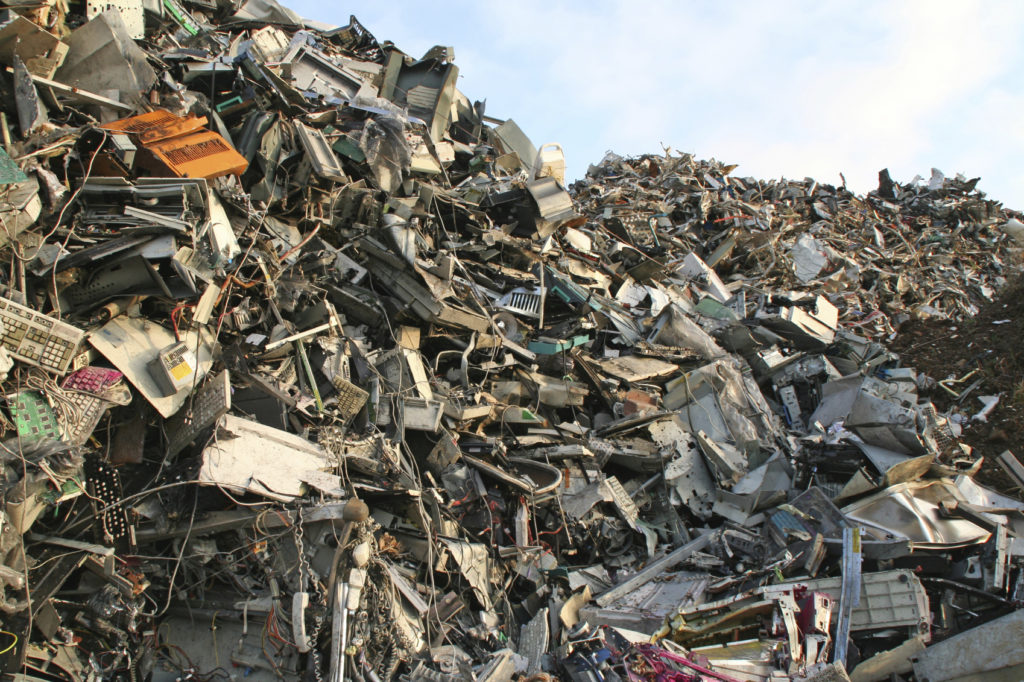
🇫🇷 Frugalité : Pour un numérique qui minimise son impact écologique
Nous savons maintenant que l’épuisement des ressources de la planète et le gaspillage énergétique mettent en péril nos modes de vies, notre santé et notre économie. Le numérique que nous produisons, vendons ou utilisons n’a de virtuel que les interfaces avec lesquelles nous interagissons. Ses impacts sur notre monde sont bien réels et menacent l’équilibre
Monoliths in the shadow of the micro
Microservices are emerging nowadays for the simple reason that monolithic applications are complex to maintain, evolve and administer. It was therefore necessary to segment our monolith into a multitude of fragments. These fragments allow for a much simpler technical and/or functional evolution.This evolution is now common in the backend domain. However, the problem of the

How to use VSCode and Moose to analyze Java projects?
VSCode is an amazing editing tool. Thanks to its extensions, one can develop using many programming languages. However, what about analyzing a software system using VSCode? In this article, we will show you how to use VSCode with Moose to analyze Java code. We use Christopher Fuhrman’s post as an example. Although we can perform
Generation of Interoperability Connectors: an efficient way to save time
Code generation has gradually become a prominent aspect of today’s software development. The process of writing software requires developers to frequently rewrite similar code repeatedly. This practice can be both time-consuming and tedious. Developers aim to occasionally write abstraction to keep their applications DRY (do not repeat yourself), however writing an abstraction is not always

Micro-application architecture: A guaranteed time saver
In order to guarantee better maintainability and scalability of our applications, we often have to break down our application into a multitude of micro-services with their own logic. These micro-services must be as autonomous as possible and fulfill a specific function in order to be able to reuse them in different contexts.This architecture is enormously
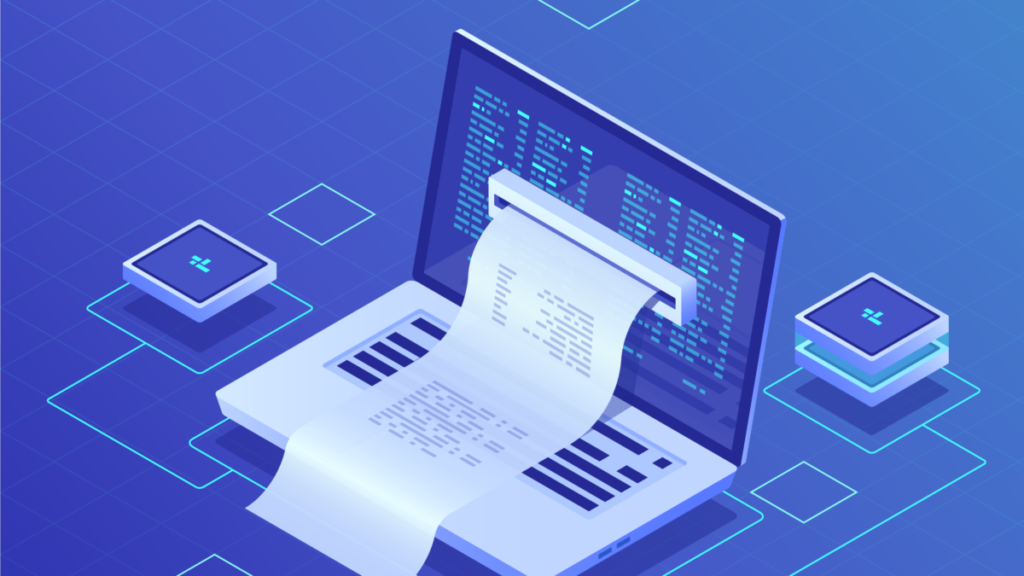
🧾DeepFacture🧾: When deep learning visually controls invoices
Before total digitalization, the invoices were visually checked by the agents. Today the invoices are entirely dematerialized, therefore nobody checks their layout, readability, and consistency with their metadata. In France, controlling an invoice dataflow (ORMC: Order of Multi Creditor Receipt) can take up to 1 full day. ORMC data flow is sent by more than